
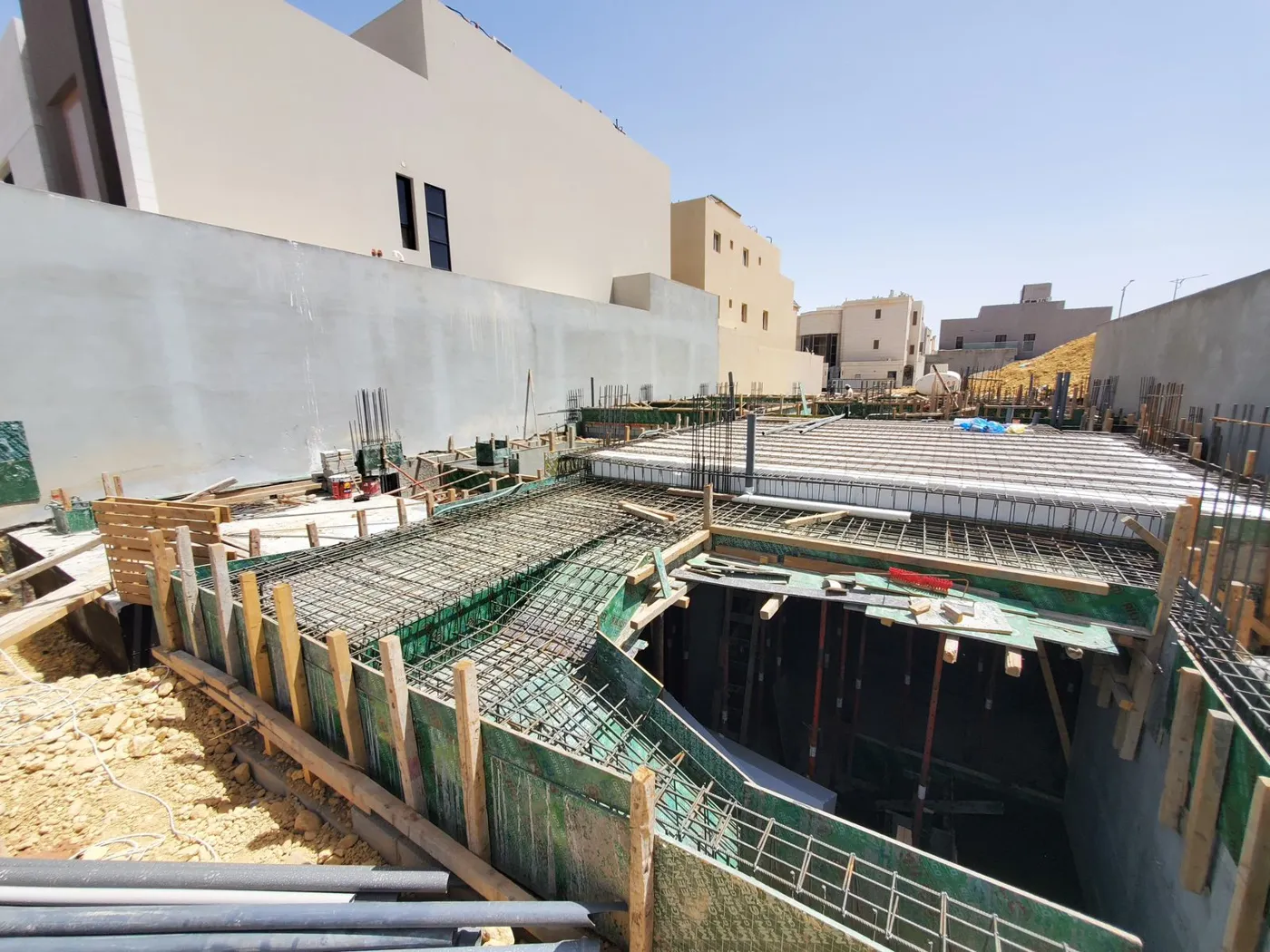
Inherent defects insurance covers structural defects that may appear in a building after handover, with cover extending for ten years. It is required for private residential buildings under the applicable regulations, as part of issuing the building completion certificate. The competent authority is the reference on which buildings and cases are covered.
What does the policy cover?
Cover focuses on the main structural elements: footings, columns, slabs and load-bearing walls, in other words anything affecting the building's safety and stability. Finishing and cosmetic works are normally outside the cover, so the contractor's own warranty remains a separate matter agreed in the contract.
Why does the process start early?
Because the insurer relies on reports from an independent technical inspection agency (TIA) that follows execution and visits the site at critical phases such as footings and slabs. If the building is finished without inspection at the right time, it becomes hard to verify what is now buried under concrete and finishes, and the inspector may require extra testing that costs time and money.
Documents usually required
- Building permit and approved architectural and structural drawings.
- Soil investigation report.
- Contractor agreement and supervising office details.
- Concrete and steel test reports during execution.
Steps of the process
- Define the policy requirements before works start.
- Coordinate with the insurer and appoint the technical inspection office.
- Inspection visits during execution, with reports filed.
- Address any technical observations raised by the inspector.
- Policy issuance once inspection is complete.
We deliver the project and handle the inherent defects insurance process with the insurer and the inspection office, so the owner receives the policy without delays. Message us on WhatsApp to check the requirements for your project.